


Discover Testaccio: What to See and Do
Testaccio, the 20th district of Rome, emerges as one of the most beloved areas of the capital, inviting you to explore its rich history, spaces dedicated to culture and art, as well as the authentic Roman atmosphere that permeates its streets.
Strategically located between the Ripa and San Saba districts (Aventine), and the Ostiense, Portuense and Monteverde neighborhoods, Testaccio tells an ancient and fascinating story linked to trade in Roman times.
Today, this area presents itself as a vibrant crossroads of life and attractions, offering a unique experience for those who wish to immerse themselves in the vibrant energy of the Eternal City.
10 Things to See in Rome's Testaccio Neighborhood
This section lists some of the main attractions (10 to be precise) that a tourist visiting Rome, but in most cases even those who live in Rome all year round, cannot miss.
And of course, once you've finished your tour of the neighborhood, it's a must to stop and eat at alla
Bruno's Tavern,
restaurant in the Testaccio area of Rome, from the
typical Roman cuisine.
#1 Pyramids of Cestia
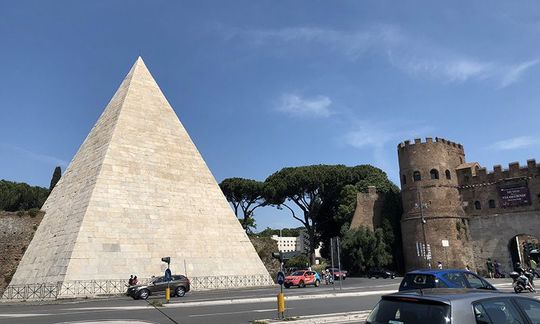
A Funerary monument commissioned by the Roman praetor Gaius Cestius in full Egyptian style, a sign of how Egyptian culture was influencing Rome at the time (from 30 BC). The garden surrounding the Pyramid is also home to a feline colony, the oldest in Rome.
#2 Porta San Paolo
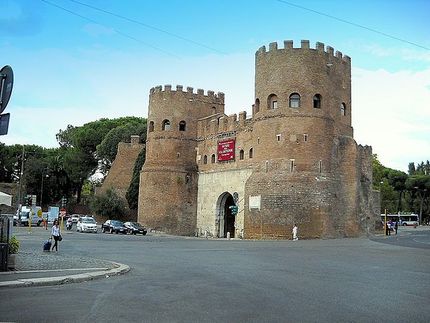
Part of the Aurelian Walls, it was known as Porta Ostiense, given the origin of the homonymous road that led to the sea at this point. Only later did it take the name of the great Basilica outside the walls, and today it is a perfectly preserved building that houses the Via Ostiense Museum.
#3 Non-Catholic Cemetery
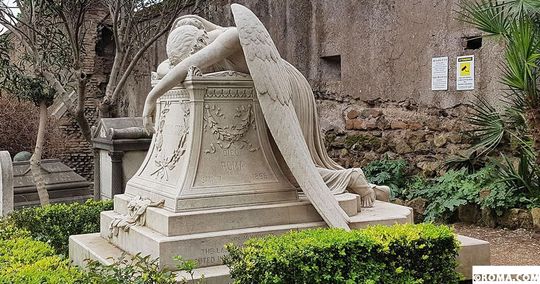
The Non-Catholic Cemetery on Via Caio Cestio is a relaxing place immersed in silence and greenery, perfect for a leisurely stroll. It's the burial place of "foreigners," including politicians, artists, and writers. Among others, Gramsci, Lussu, Gadda, and Camilleri are buried here. Among the graves, each more beautiful than the last and deeply moving, roam the cats from the nearby Piramide feline colony.
#4 War Cemetery
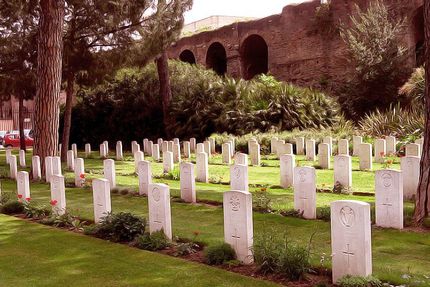
Totally different from the previous one, this cemetery has nothing artistic about it and is austere and perfect in its architecture. It is, in fact, a military cemetery containing the graves of over four hundred young Commonwealth soldiers who fell in World War II. Nearby is the Fontana del Boccale, sculpted from coral red marble by Raffaele de Vico.
#5 Monte dei Cocci
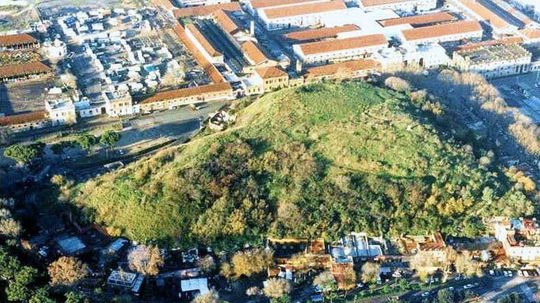
A man-made hill created from the shards of amphorae and other terracotta remnants that Roman ships brought to Rome, later destroyed and piled up here. It seems incredible that it has survived all this time and continues to do so, so much so that the hill is accessible on foot and you can walk along it, literally stepping on shards, but only in the company of a tour guide.
#6 Testaccio Market
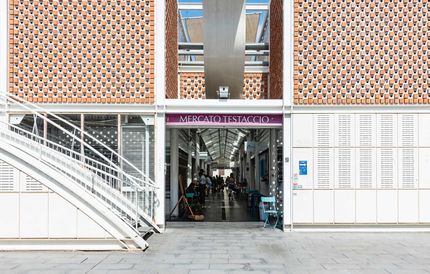
After several renovation works, the Testaccio covered local market with four entrances and modern architecture has become a true point of reference for lovers of gastronomy and street foodThere are one hundred stalls including butchers, bakeries, pasta factories and many other sellers of selected products, which recreate a meeting place between tradition and experimentation, to be experienced every day as true insider. If you want, there is also the possibility of visiting thearchaeological area below, full of Roman amphorae found during the excavations.
#7 City of the Other Economy and Slaughterhouse
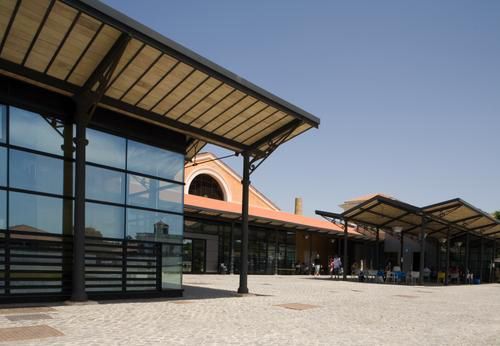
A small city within a city, worth seeing, promoting a sustainable economy, including organic farming, renewable energy, sustainable mobility, and fair trade. The redevelopment of the former Testaccio slaughterhouse has been a real success, and today the space hosts educational events and exhibition spaces, as well as a hub for research and development. Another curious and unique feature is the Mattatoio, formerly known as Macro Testaccio, which houses a contemporary art museum boasting a wealth of original exhibitions.
#8 Church of Santa Maria Liberatrice
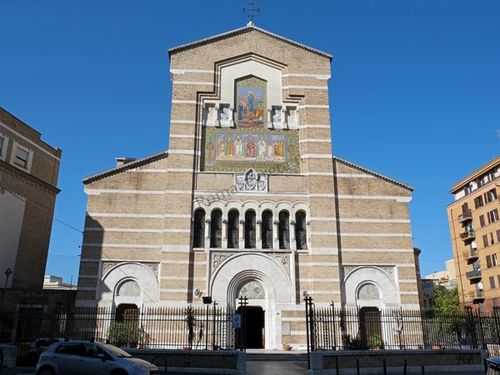
Built in the early '900, what will strike you about the Church of Santa Maria Liberatrice in neo-Romanesque and neo-Byzantine style, the only one in the neighborhood, will be its facades and numerous colorful mosaics.
It is she who dominates the main square of Testaccio.
A visit here during your walk in the neighborhood is recommended.
#9 Square of S. Maria Liberatrice
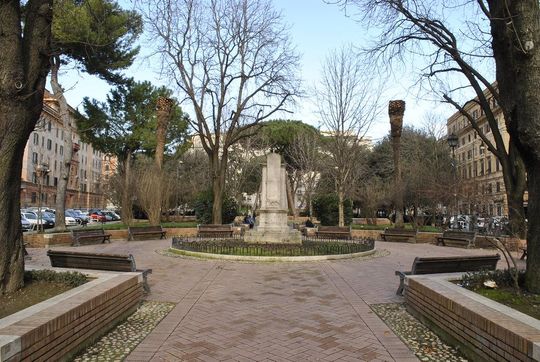
While the Monte dei Cocci area is bustling at night, Testaccio's daily life takes place in this square brimming with Roman charm, so much so that it hosts a space dedicated to Francesco Totti as the VIII King of Rome. The most beautiful thing in these parts is wandering through the alleys, stopping in the ancient shops, even to see a small taste of street art which characterizes the entire neighborhood.
#10 Portico Aemilia Emporium
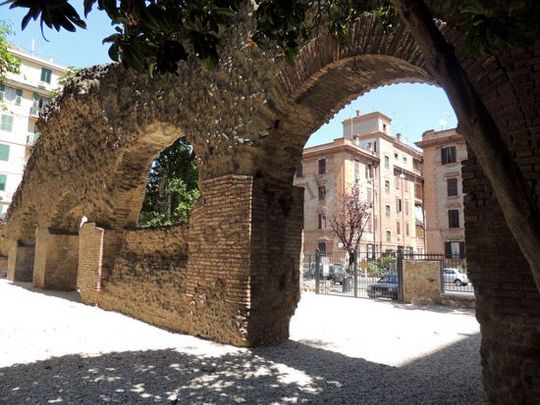
A few steps from the Church, in the direction of the Tiber, look out over this place that has remained intact, among the remains in tuff of the Roman era warehouses annexed to the bank of the blond river.
A corner of Rome's virtuous past surrounded by dozens of buildings and homes.